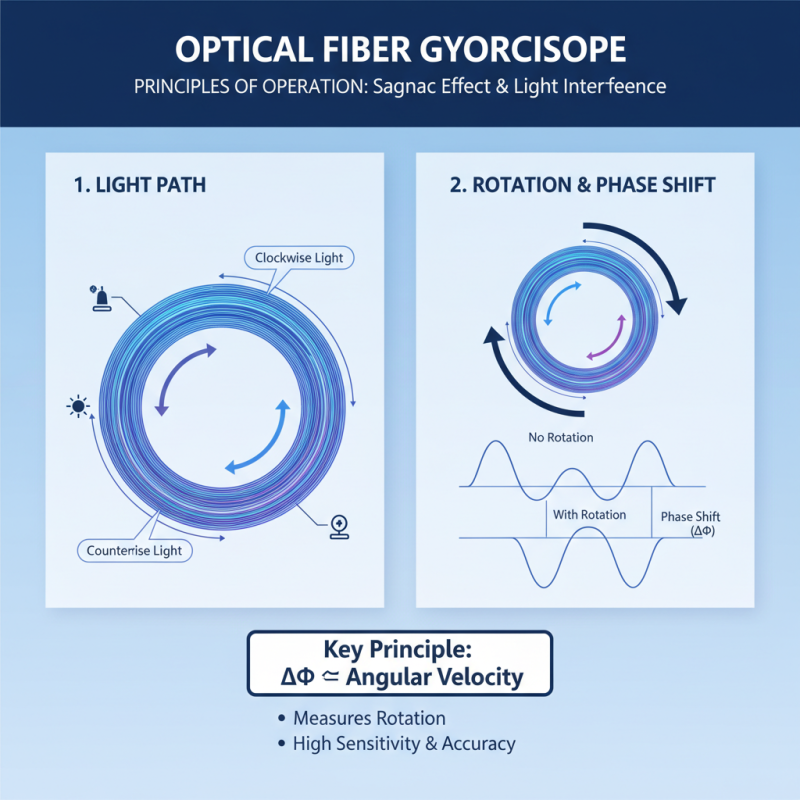
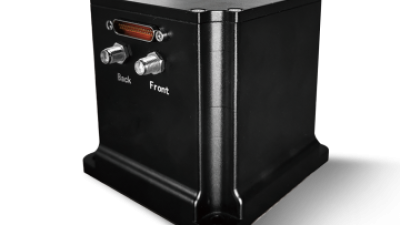
Optical Fiber Gyroscopes are truly a game-changer when it comes to sensor tech. They use the fancy principles of light and fiber optics to measure angles and rotations super precisely. Unlike those old-school mechanical gyros which rely on spinning parts, these gadgets use the way light waves interfere after traveling through fiber optic cables to figure out which way you're facing. This might sound straightforward, but it’s actually a pretty clever trick that’s opened up a lot of new possibilities—think aerospace, robotics, and navigation systems where knowing exactly how you’re moving matters big time.
At the heart of how they work is something called the Sagnac effect. Basically, when light beams go in opposite directions around a loop that's spinning, they end up out of sync by a little phase difference. This clever effect lets the gyro detect how fast it's rotating — with a sensitivity that’s hard to beat. As more people look for ways to get better, more reliable navigation tools, understanding what makes Optical Fiber Gyroscopes so effective is becoming more and more important. They really help us get a clearer picture of motion and stability, especially in situations where traditional gyros might struggle. All in all, these devices are playing a huge role in pushing the boundaries of technology and helping us understand movement a lot better in this fast-growing world of ours.

What is an Optical Fiber Gyroscope?
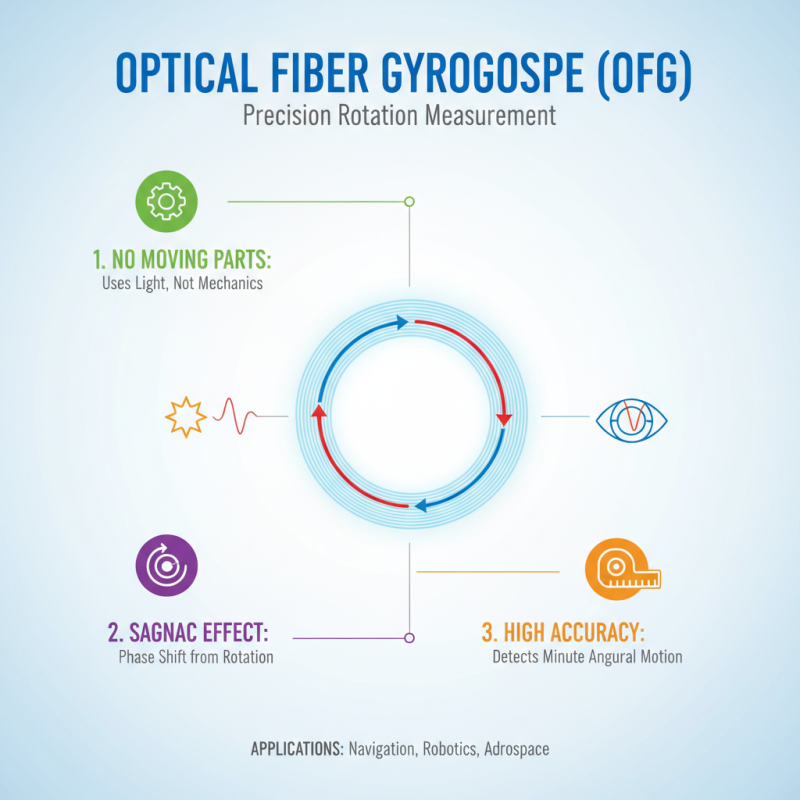
An optical fiber gyroscope (OFG) is a sophisticated device that uses the principles of light and fiber optics to measure rotation and angular motion. Unlike traditional gyroscopes, which rely on mechanical systems, OFGs employ interference patterns generated by light traveling through optical fibers. This technology allows for precise measurements of rotational movement by detecting phase shifts in the light caused by the Sagnac effect, which occurs when light travels in opposite directions around a rotating loop.
The core component of an optical fiber gyroscope is its coiled fiber optic cable, where light beams are split and sent in opposite directions. When the gyroscope rotates, one beam travels slightly faster than the other, leading to a difference in the time it takes for each beam to complete the loop. This time difference creates a measurable phase shift that is directly proportional to the rate of rotation. As a result, OFGs are not only highly sensitive but also provide real-time data, making them ideal for applications in navigation, aerospace, and other fields that require accurate inertial sensing.
Principles of Operation of Optical Fiber Gyroscopes
Optical fiber gyroscopes operate based on the principles of light interference and the Sagnac effect. When light travels through a fiber optic coil in opposite directions, it experiences a phase shift if the coil is subjected to rotation. This difference in phase between the clockwise and counterclockwise light paths allows the gyroscope to measure angular velocity. The more rotations per second, the greater the phase shift detected, making these gyroscopes highly sensitive and accurate for navigation and stabilization applications.
Tips: When working with optical systems, remember that environmental factors such as temperature and vibration can affect performance. Regular calibration and maintenance can enhance the longevity and reliability of the gyroscope. Additionally, understanding the installation guidelines is crucial for achieving optimal performance and accuracy in different applications, whether in aerospace, marine, or even consumer electronics.
The technology behind optical fiber gyroscopes is rooted in the properties of light and its interaction with the medium of optical fibers. These devices do not require moving parts, making them less susceptible to wear and tear compared to traditional gyroscopes. Their compact size and lightweight nature make them an excellent choice for modern technology, from smartphones to spacecraft, providing precise motion sensing and navigation capabilities in a wide range of settings.
Components of an Optical Fiber Gyroscope
An optical fiber gyroscope (OFG) is an advanced sensing technology that leverages the unique properties of light to measure angular velocity. At the core of its functionality lies its key components, which include fiber optics, beam splitters, and detectors. These components work collectively to detect rotational movements with high precision.
The primary element of an optical fiber gyroscope is the fiber optic coil, where light is circulated. This coil typically consists of a long length of optical fiber wound into a loop. When light is introduced into the fiber, it travels in both directions around the coil. The rotation of the gyroscope causes a shift in the phase of the light traveling in one direction compared to the light traveling in the opposite direction—a phenomenon known as the Sagnac effect.
To measure this phase shift accurately, beam splitters are employed to direct the light into different pathways, while detectors are used to capture the resulting signals. The combination of these components enables the gyroscope to provide a highly sensitive measurement of angular motion, making it invaluable in various applications, including navigation systems, aerospace technologies, and robotics. The precision and reliability of optical fiber gyroscopes make them critical in environments that demand accurate orientation and movement sensing.
What is an Optical Fiber Gyroscope and How Does It Work? - Components of an Optical Fiber Gyroscope
| Component |
Description |
Function |
| Optical Fiber |
A thin strand of glass or plastic that transmits light signals. |
Carries light for interference measurement. |
| Sensing Coil |
A coil of fiber optic cable arranged in a circular pattern. |
Creates a closed loop for light to circulate. |
| Light Source |
A laser diode or LED that provides coherent light. |
Illuminates the optical fibers for interference. |
| Detector |
A device that measures the intensity of light. |
Converts light signals into electrical signals. |
| Interference Pattern Analyzer |
A system that interprets the light interference patterns. |
Determines rotation rates based on phase shifts. |
Types of Optical Fiber Gyroscopes
Optical fiber gyroscopes (OFGs) are sophisticated instruments that utilize the principles of light to measure angular rotation. These devices can be categorized mainly into two types: the spun optical fiber gyroscope and the integrated optical fiber gyroscope.
The spun optical fiber gyroscope operates based on the Sagnac effect, which occurs when a beam of light is split into two paths traveling in opposite directions within a coil of optical fiber. When the gyroscope rotates, the path lengths of the beams differ, leading to a measurable phase shift. This type is known for its high precision and is often employed in navigation systems for aircraft and ships.
On the other hand, the integrated optical fiber gyroscope incorporates microfabrication techniques to create a compact and highly sensitive device. This gyroscope utilizes waveguide technology and can be integrated into various systems, such as automotive and robotics applications. Both types offer significant advantages in terms of reliability and performance, making them essential in modern navigation and stabilization technology.
Optical Fiber Gyroscope Performance Comparison
This bar chart compares the performance of different types of optical fiber gyroscopes based on parameters such as sensitivity, range, and accuracy.
Applications of Optical Fiber Gyroscopes in Various Industries
Optical fiber gyroscopes have found a wide array of applications across various industries due to their high precision and reliability. In aerospace, these gyroscopes are crucial for inertial navigation systems, allowing aircraft to determine their orientation and trajectory without relying on external signals. Their lightweight design and immunity to electromagnetic interference make them particularly valuable in environments where traditional gyroscopes may falter. This technology enables safer and more efficient flight operations in both commercial and military aviation.
In addition to aerospace, optical fiber gyroscopes are increasingly utilized in automotive applications, particularly for advanced driver-assistance systems (ADAS). With the growing demand for autonomous vehicles, precise motion sensing is essential for navigation and stabilization. Optical fiber gyroscopes provide accurate rotation measurements, allowing vehicles to maintain course even in challenging driving conditions.
Furthermore, they play a role in the robotics and marine sectors, where accurate orientation and navigation are critical for both robotic systems and underwater vehicles. As technology evolves, the role of optical fiber gyroscopes continues to expand, driving innovation across these diverse fields.
Advantages of Using Optical Fiber Gyroscopes
Optical fiber gyroscopes (OFGs) have emerged as a crucial technology in navigation and motion sensing, offering significant advantages over traditional gyroscope designs. One of the primary benefits of OFGs is their ability to provide highly accurate and stable measurements. Utilizing the interference of light in optical fibers, these gyroscopes can detect very slight changes in rotation, making them ideal for applications requiring precision, such as aerospace and autonomous vehicles.
Another notable advantage of optical fiber gyroscopes is their inherent immunity to magnetic fields and environmental disturbances. Unlike mechanical gyroscopes that may be influenced by vibrations or electromagnetic interference, OFGs maintain performance integrity under various conditions. Additionally, their lightweight and compact design allow for easier integration into various systems without adding significant bulk, which is particularly advantageous in applications where weight and space are critical factors. This combination of accuracy, resilience, and versatility makes optical fiber gyroscopes a preferred choice in modern navigation systems.
Challenges and Future Development of Optical Fiber Gyroscopes
The field of optical fiber gyroscopes (OFGs) has witnessed significant advancements, but several challenges persist that hinder their widespread application. One of the primary technical obstacles is the sensitivity of OFGs to environmental factors such as temperature fluctuations and vibrations. These factors can introduce noise and degrade the precision of the measurements, an issue emphasized in a recent report by MarketsandMarkets which estimates that the global optical fiber gyroscope market is expected to grow from $1.2 billion in 2021 to $3 billion by 2026, largely driven by demand in aerospace and defense applications.
Another significant challenge lies in the integration of advanced signal processing algorithms required for improving accuracy and performance. As noted in the Journal of Optical Communications and Networking, the enhancement of these algorithms has a direct impact on the noise reduction capabilities of OFGs. The ongoing research indicates that as new materials and technologies emerge, there is a promising avenue for the development of more robust gyroscopes capable of operating effectively in challenging environments, which could further expand their application in sectors such as autonomous vehicles and robotics.
Looking ahead, future development of optical fiber gyroscopes will likely focus on miniaturization and cost reduction without compromising performance. The increasing reliance on inertial navigation systems, combined with advancements in photonics technology, is expected to drive innovation. Reports indicate that breakthroughs in microfabrication techniques may enhance the functionality of OFGs, making them more accessible for commercial applications. As the market continues to evolve, addressing these challenges will be crucial for the sustained growth and adoption of optical fiber gyroscopes in various industries.
Maximizing Precision in Navigation: The Advantages of GPS-Aided Sensor INS570 with Closed-Loop Fiber Optic Gyroscopes & Accelerometers
The integration of GPS technology with inertial navigation systems has revolutionized precision in navigation across various sectors. In particular, combining fiber optic gyroscopes and Quartz Flexure Accelerometers with multi-system satellite navigation enhances the accuracy and reliability of positioning data. This advanced approach offers real-time insights into crucial metrics such as heading, attitude, speed, and acceleration, critical for seamless navigation in challenging environments.
Designed with a compact structure and low power consumption, these integrated navigation systems are particularly well-suited for a wide array of applications, including vehicle and marine navigation, aerospace operations, unmanned aerial vehicles (UAVs), and engineering surveying. The ability to support external sensors like odometers and Doppler Velocity Logs broadens its functionality, providing users with a versatile solution that can achieve centimeter-level positioning precision. The capability to operate in multi-mode navigation further underscores its utility in demanding scenarios, ultimately enhancing decision-making and operational efficiency across various industries.
FAQS
: An optical fiber gyroscope is a device that measures rotation and angular motion using light and fiber optics, relying on interference patterns created by light traveling through optical fibers.
OFGs work by splitting light beams that travel in opposite directions through a coiled fiber optic cable. When the gyroscope rotates, the time difference in the light beams creates a measurable phase shift, which correlates to the rate of rotation.
The Sagnac effect refers to the phenomenon where light traveling in opposite directions around a rotating loop experiences a phase shift due to the difference in travel time, which is harnessed by optical fiber gyroscopes for precise measurements.
Optical fiber gyroscopes are widely used in aerospace for inertial navigation systems, in automotive applications for advanced driver-assistance systems, and in robotics and marine sectors for accurate orientation and navigation.
They are preferred due to their high sensitivity, lightweight design, accuracy, and immunity to electromagnetic interference, making them more reliable in challenging environments.
In autonomous vehicles, optical fiber gyroscopes provide precise motion sensing which is essential for navigation and stabilization, enabling vehicles to maintain course in difficult driving conditions.
Yes, optical fiber gyroscopes provide real-time data on rotational movement, which is crucial for applications requiring timely and accurate inertial sensing.
Optical fiber gyroscopes enhance safety in aviation by enabling accurate orientation determination and trajectory tracking, which helps ensure safer and more efficient flight operations.
A notable feature is their lightweight design, which makes them particularly suitable for applications in aerospace and other sectors where minimizing weight is crucial.
As technology advances, the role of optical fiber gyroscopes is expected to expand further, driving innovation across various industries by improving navigation and inertial sensing capabilities.
Conclusion
An Optical Fiber Gyroscope is an advanced device used for measuring angular velocity based on the principles of light interference and fiber optics. It operates by utilizing the Sagnac effect, where the phase difference of light traveling in opposite directions within a coil of optical fiber is analyzed to detect rotation. The key components of an Optical Fiber Gyroscope include the optical fiber coil, light source, photodetector, and electronic processing units.
There are various types of Optical Fiber Gyroscopes, such as FOG (Fiber Optic Gyroscope) and RLG (Ring Laser Gyroscope), each serving distinct applications across industries like aerospace, automotive, and robotics. The advantages of using Optical Fiber Gyroscopes include high accuracy, reliability, and immunity to environmental factors. However, challenges remain in terms of sensitivity and cost, which drive ongoing research and development aimed at enhancing their performance and expanding their applications in the future.

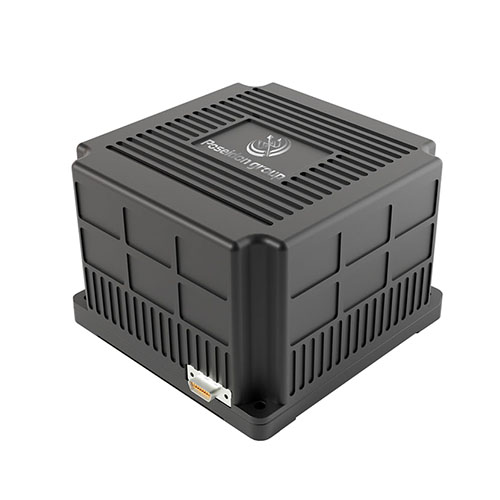 TBSD60
 BSD120
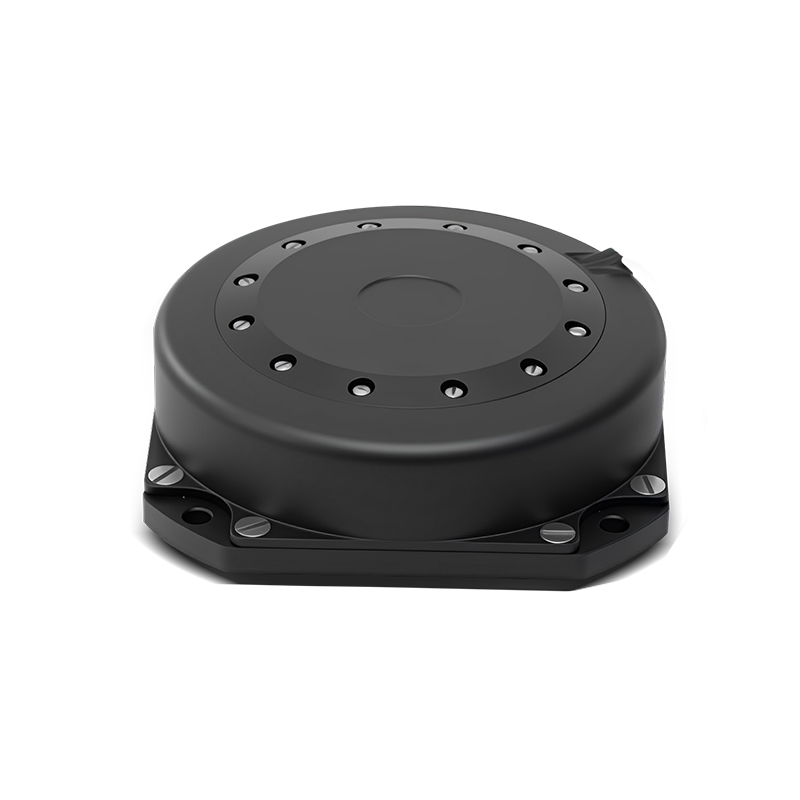 BSD98
BSD98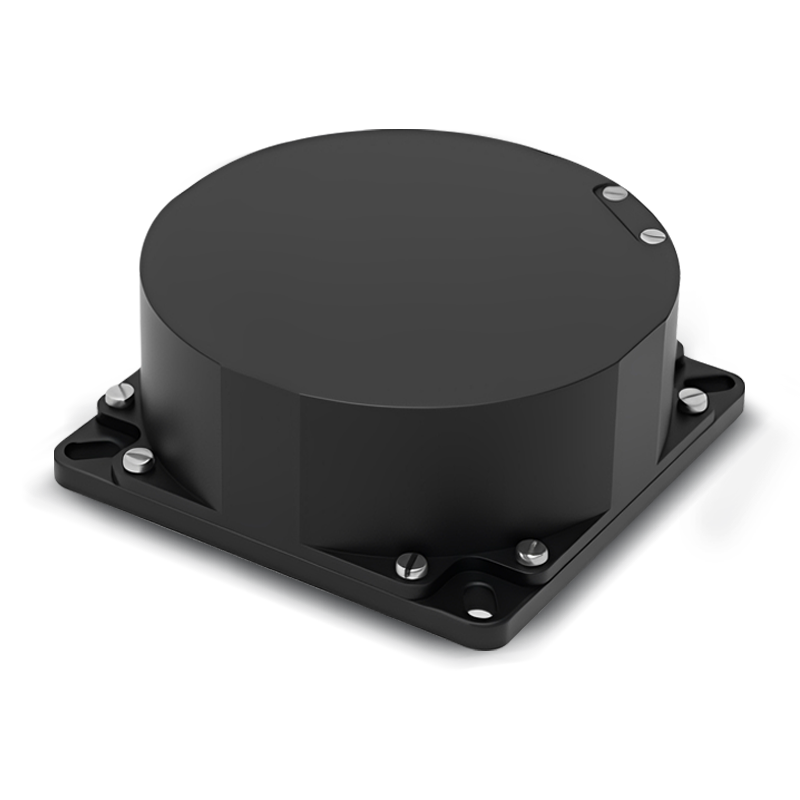 BSD70
BSD70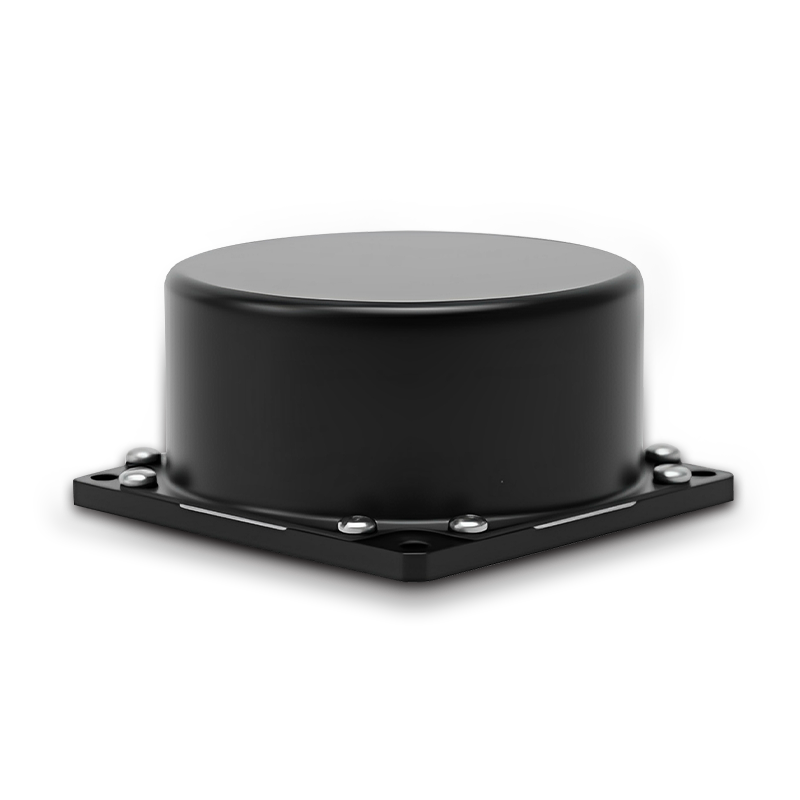 BSD60
BSD60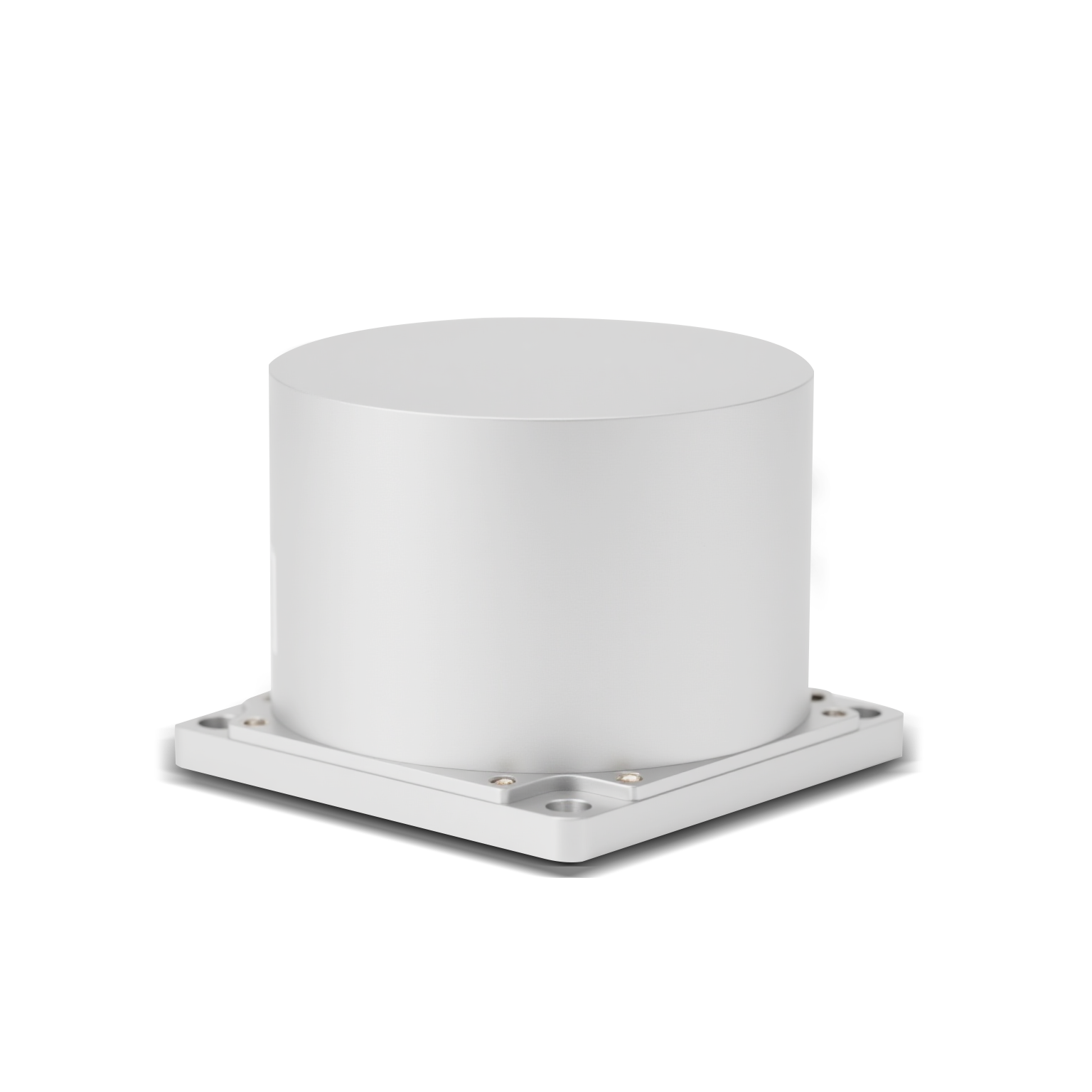 BSD50
BSD50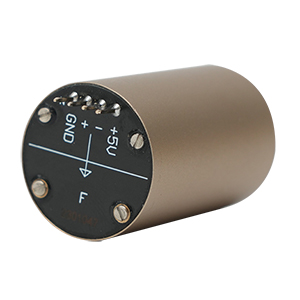 BSD217
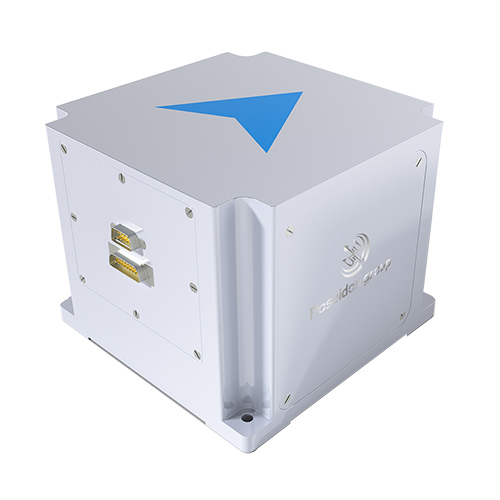 INS1700
 INS970
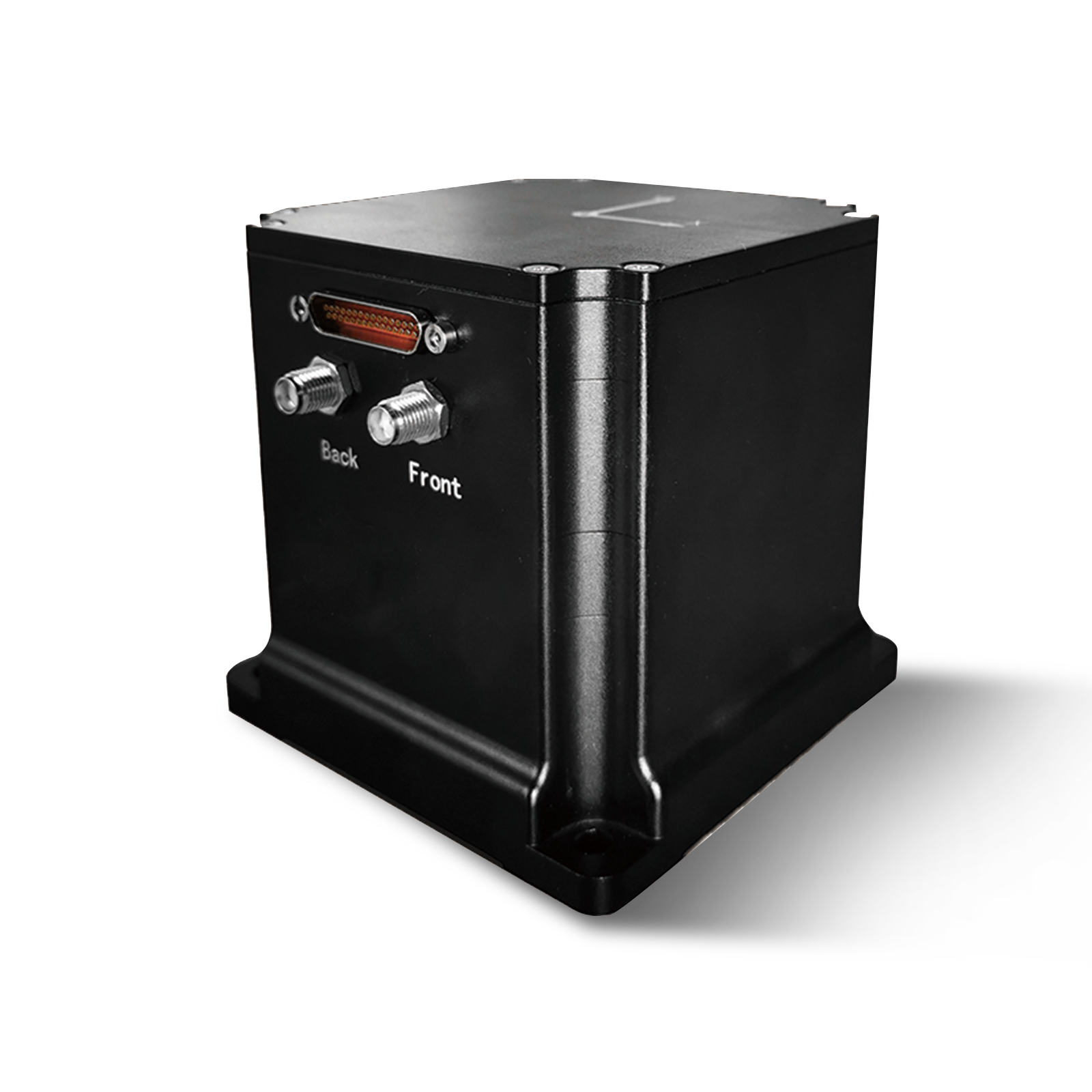 INS570
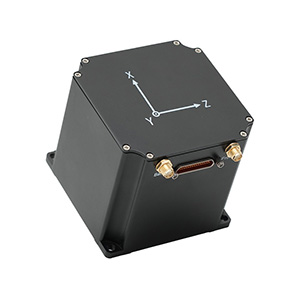 INS170
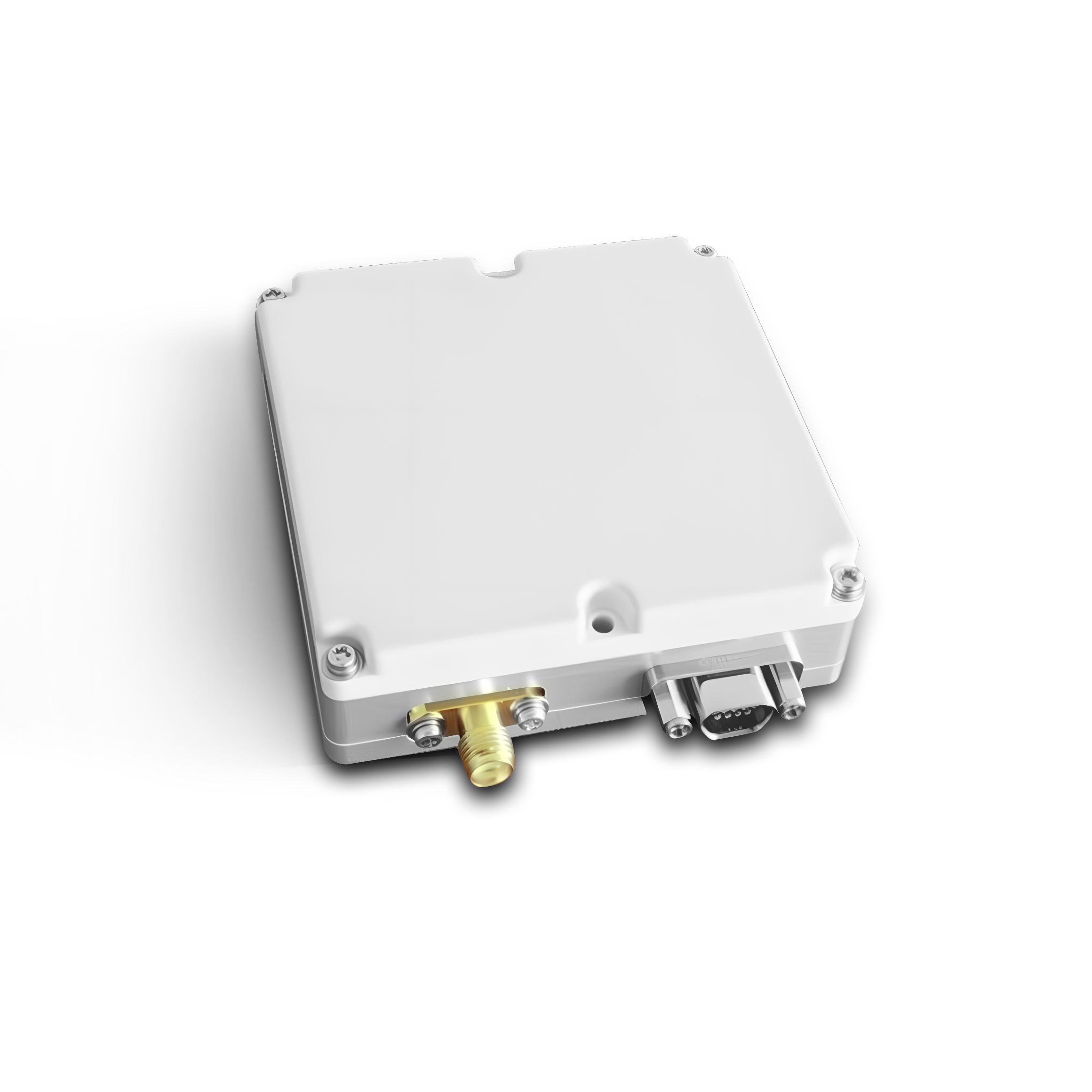 SLA-4B1L1-65
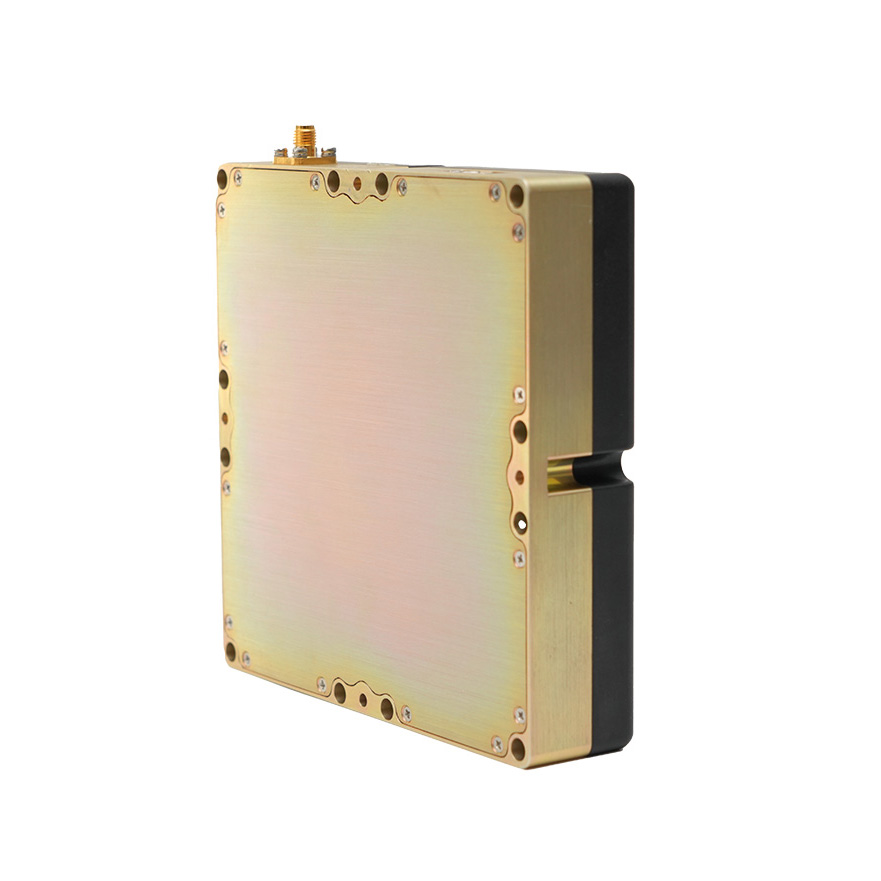 SLA-4B1L1-130
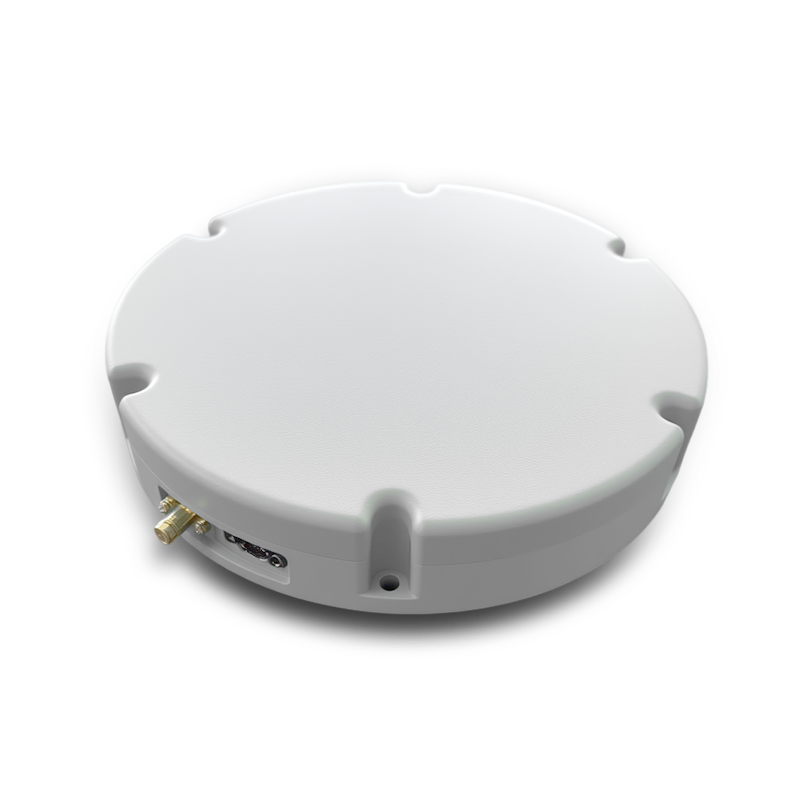 SLA-8B1L1-165
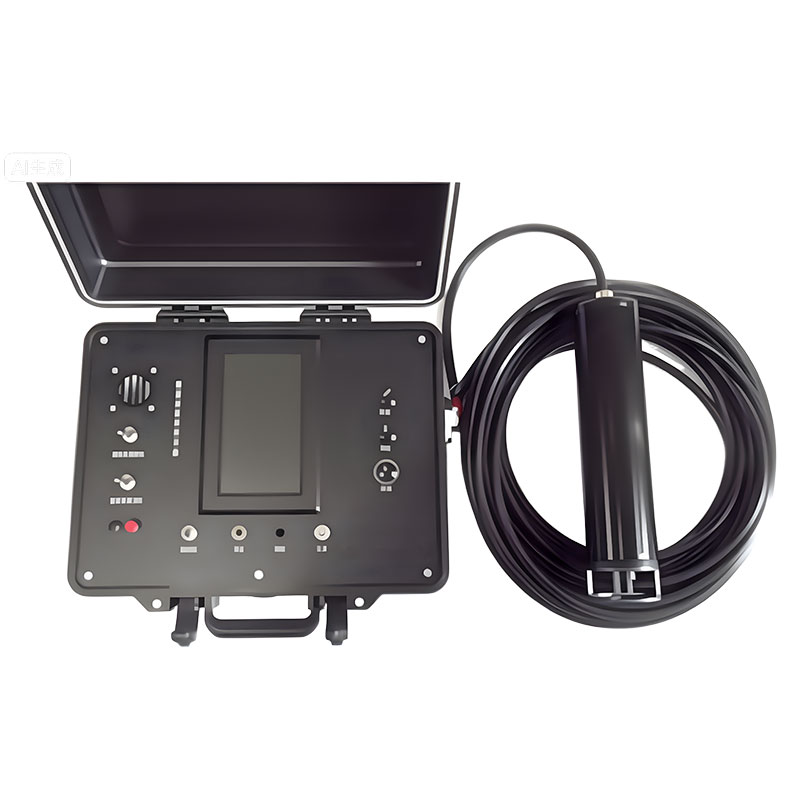 DIVER 101
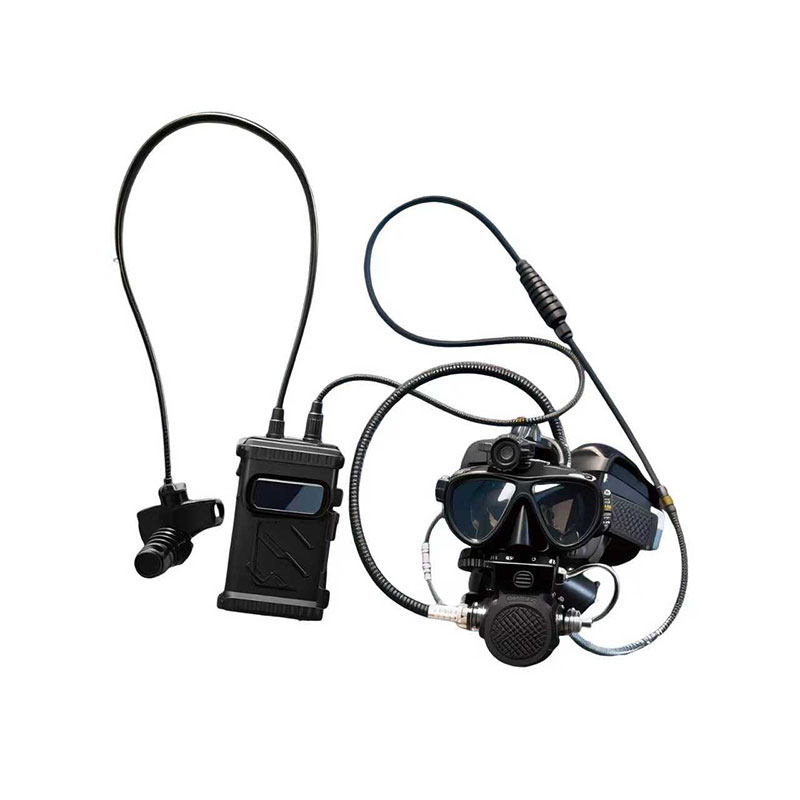 DIVER 102
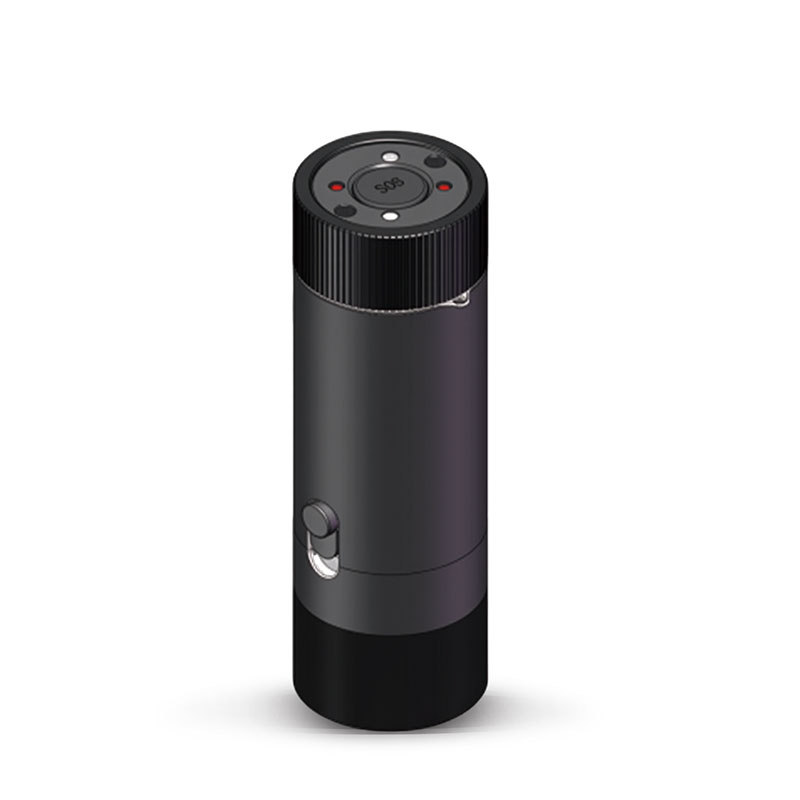 DIVER 103
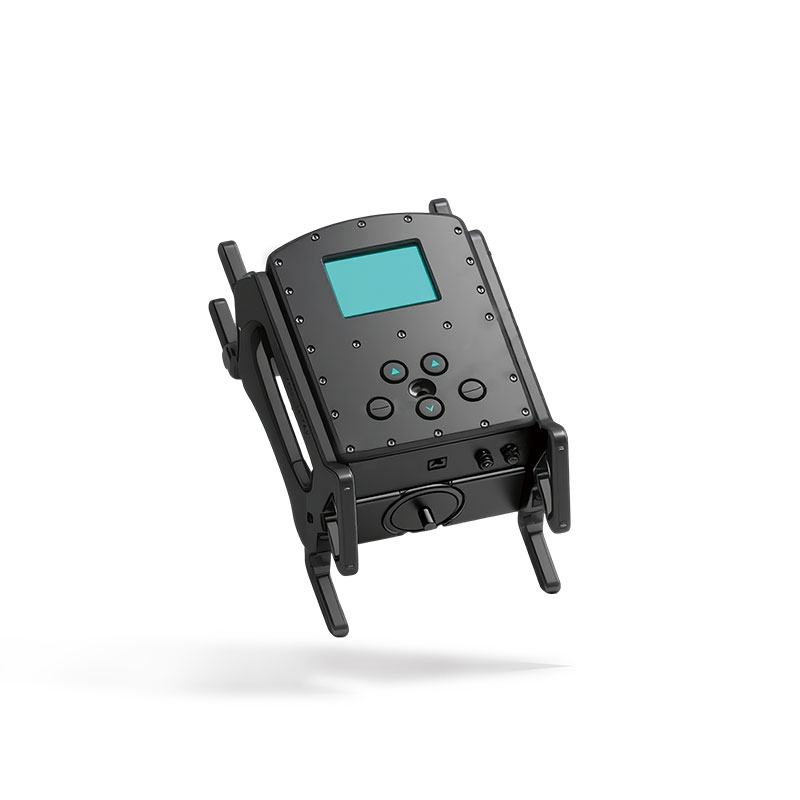 DIVER 104
 DIVER 105
 DIVER 106
 SLLR3000
 SLLR905
 SLLD25
 160M
160M 170M
170M SLFC-70
 SLAF280
 MR360
MR360