
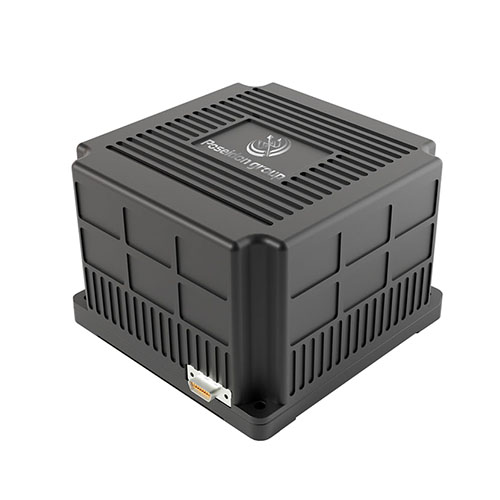
 TBSD60
 BSD120
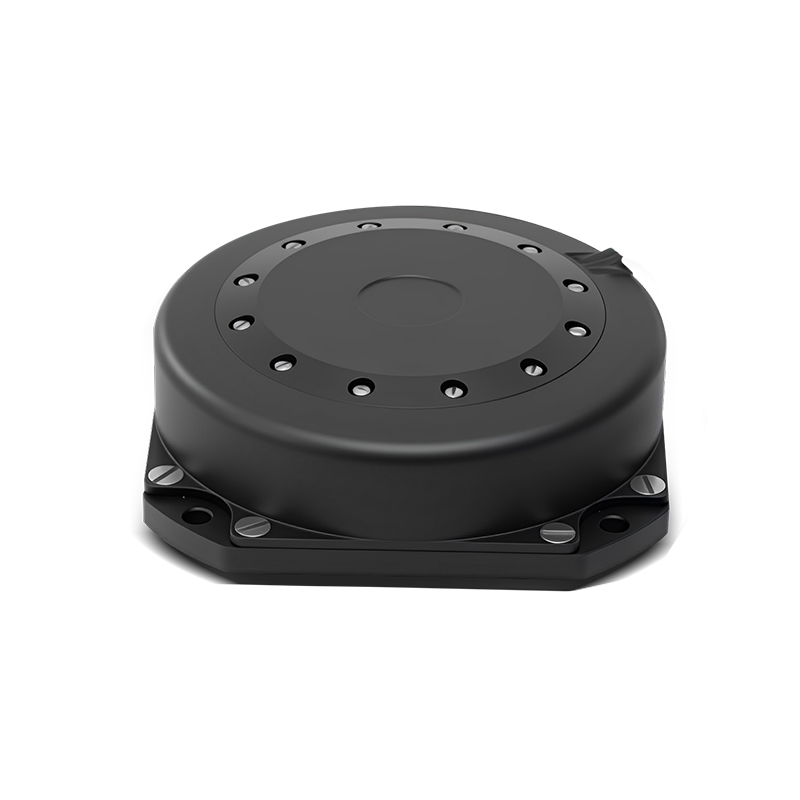 BSD98
BSD98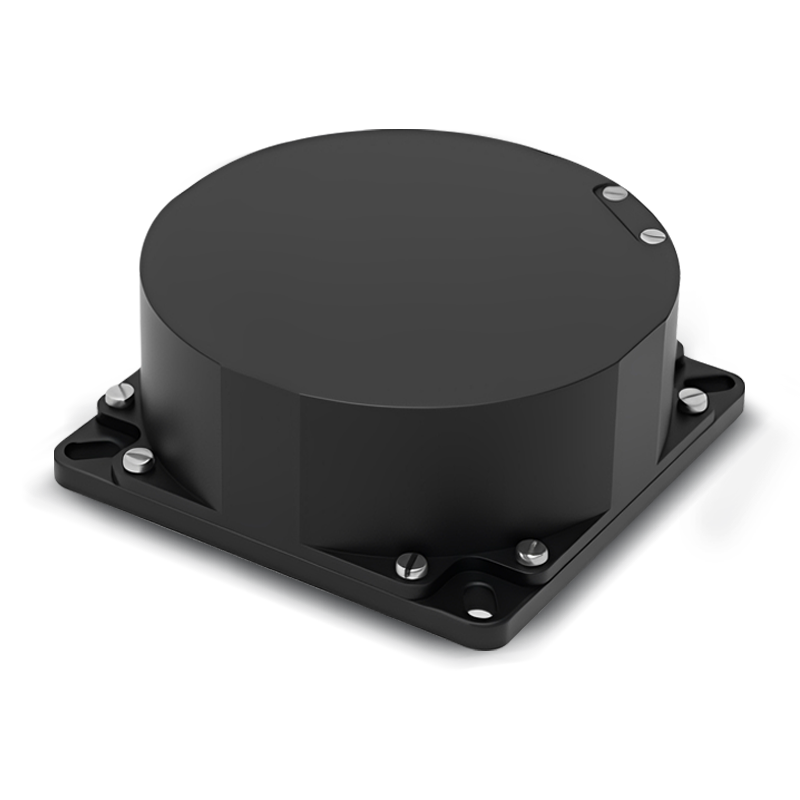 BSD70
BSD70 BSD60
BSD60 BSD50
BSD50 BSD217
 INS1700
 INS970
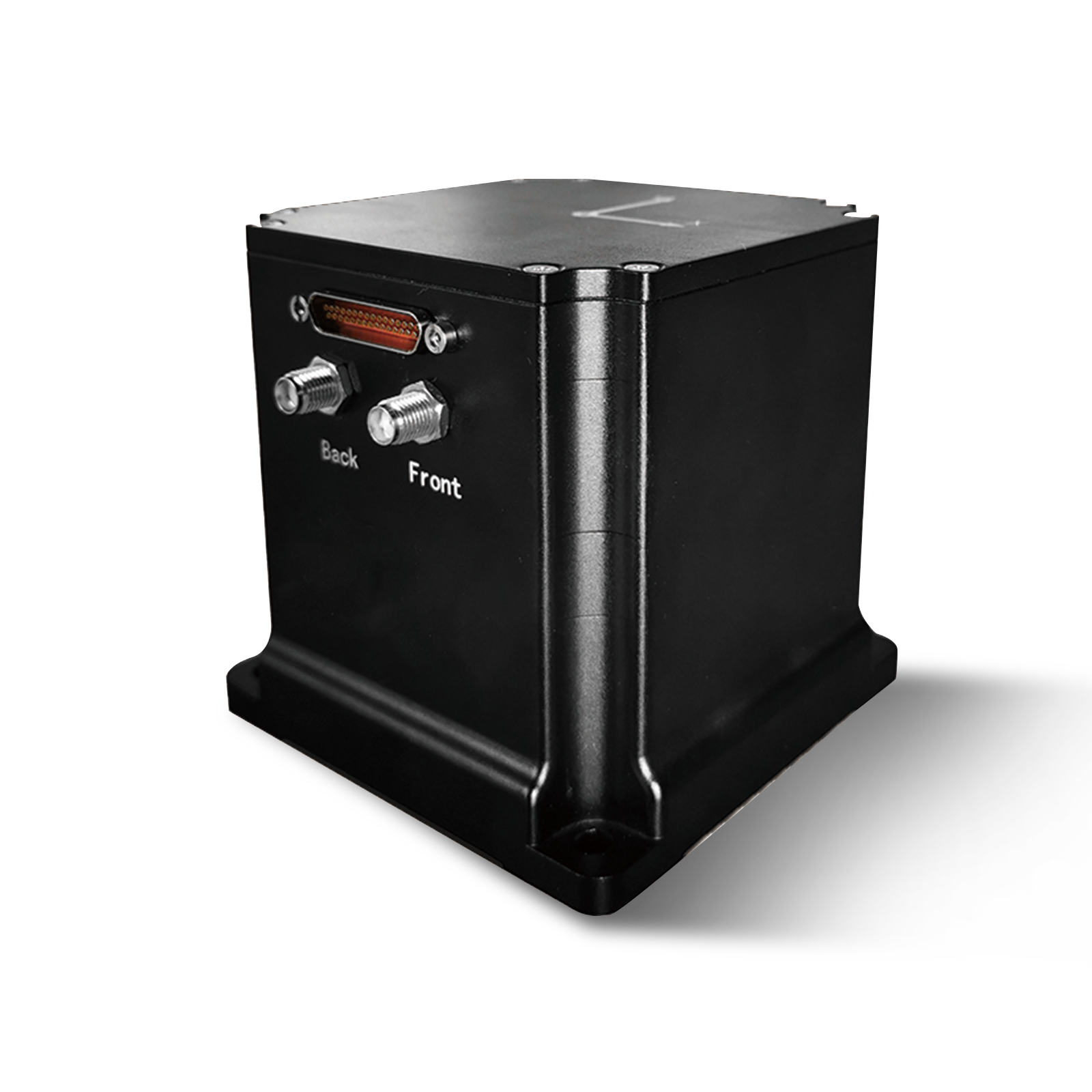 INS570
 INS170
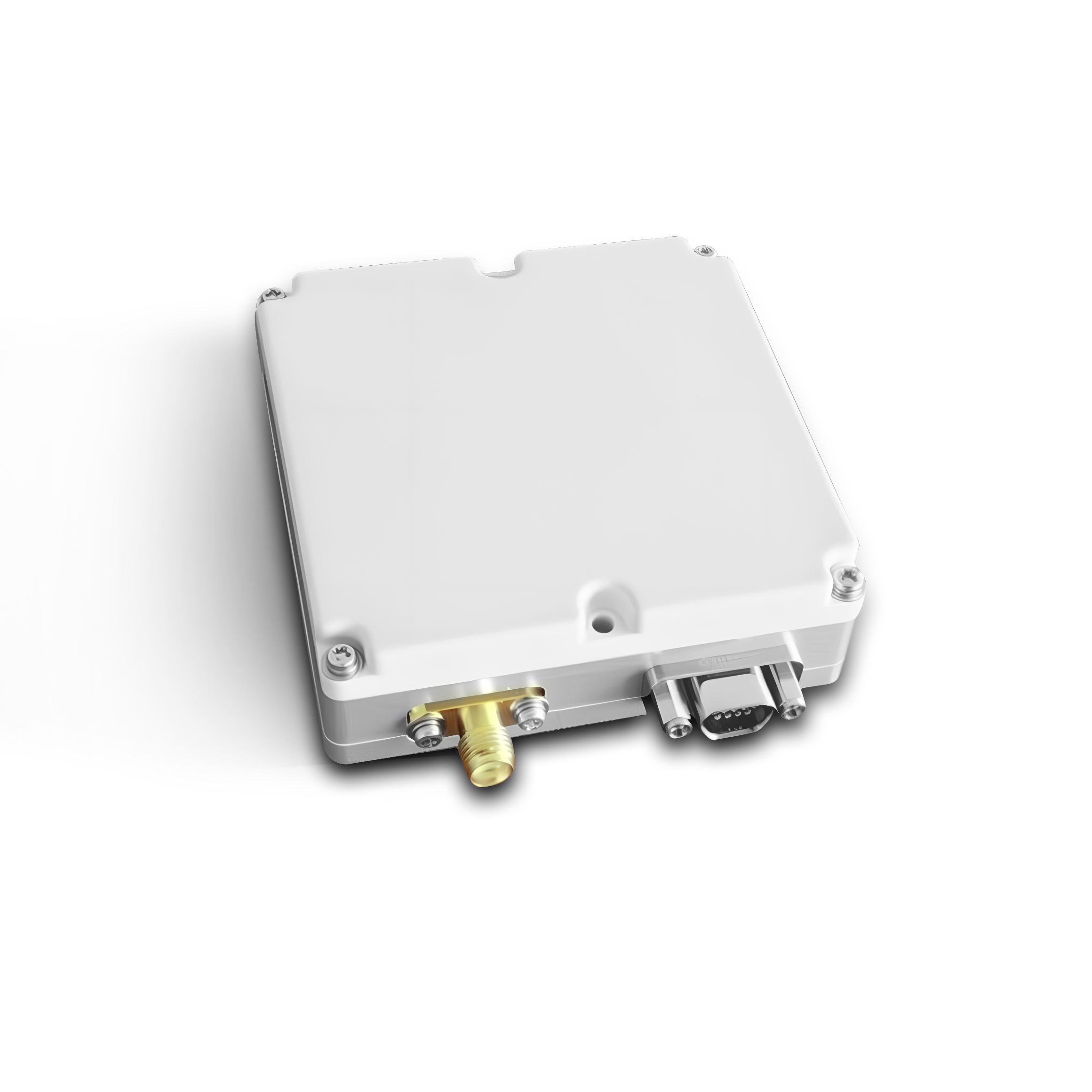 SLA-4B1L1-65
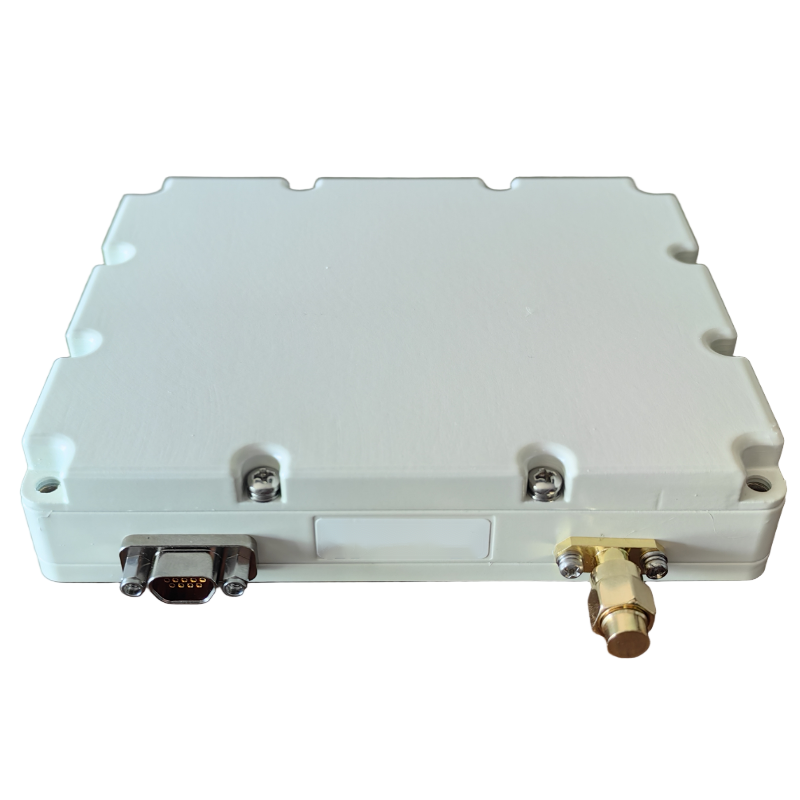 SLA-8B1L1-110
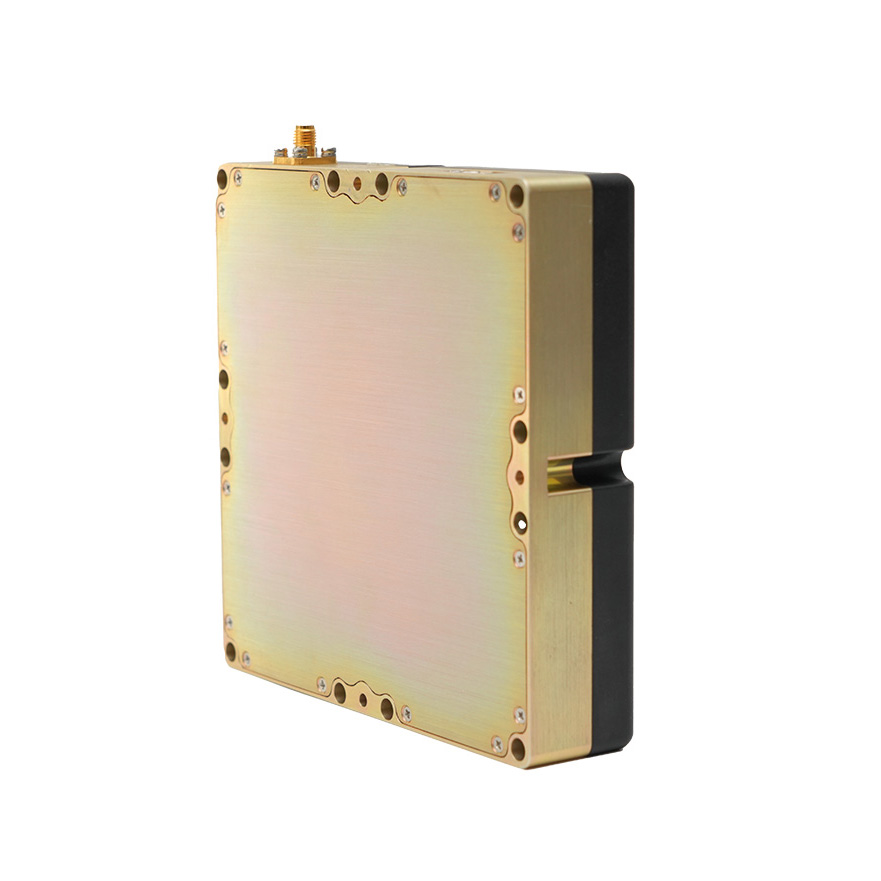 SLA-4B1L1-130
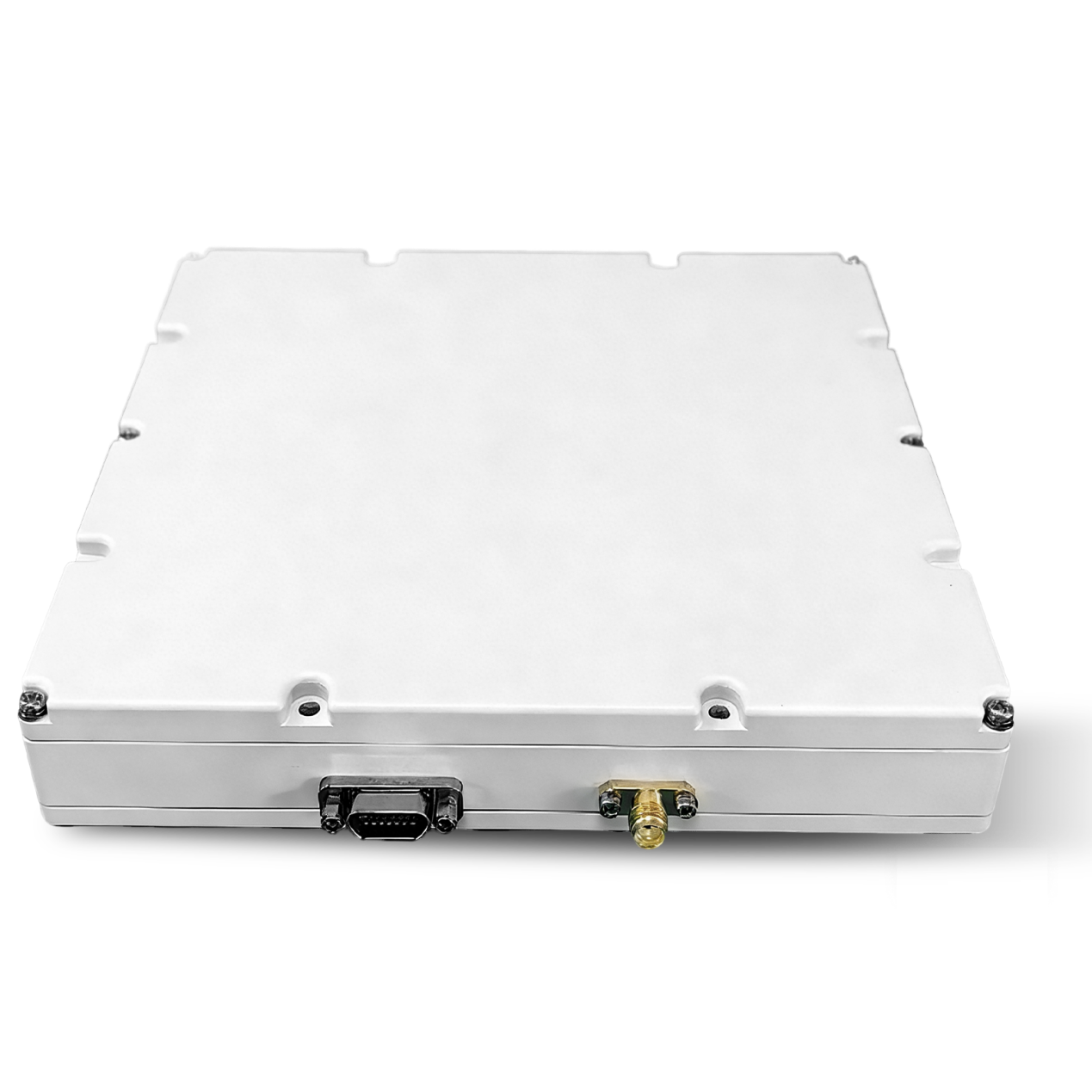 SLA-16B1L1-160
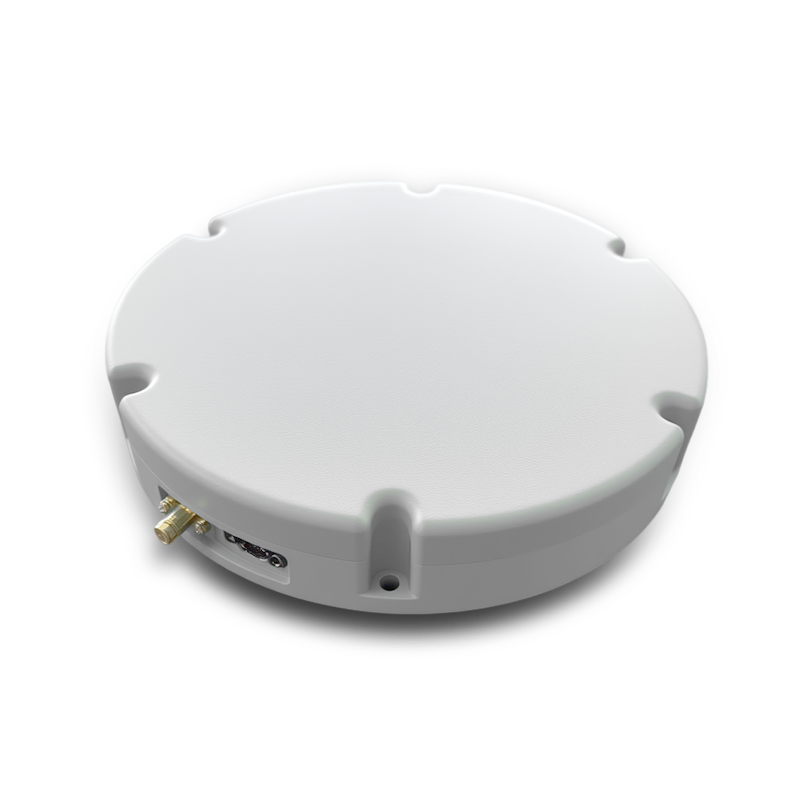 SLA-8B1L1-165
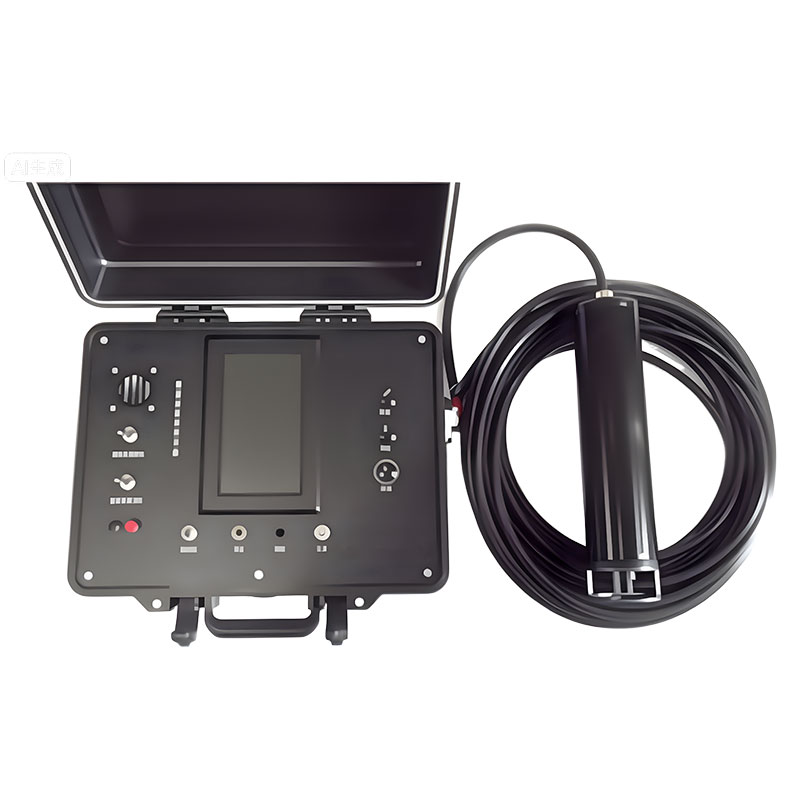 101 Vessel-mounted Positioning
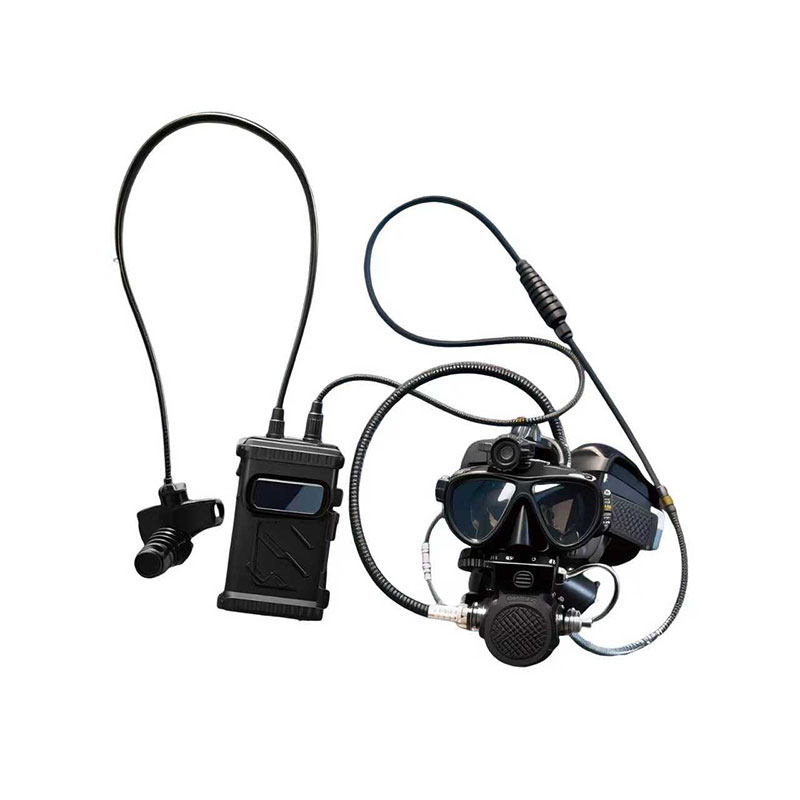 102 Acoustic Communication
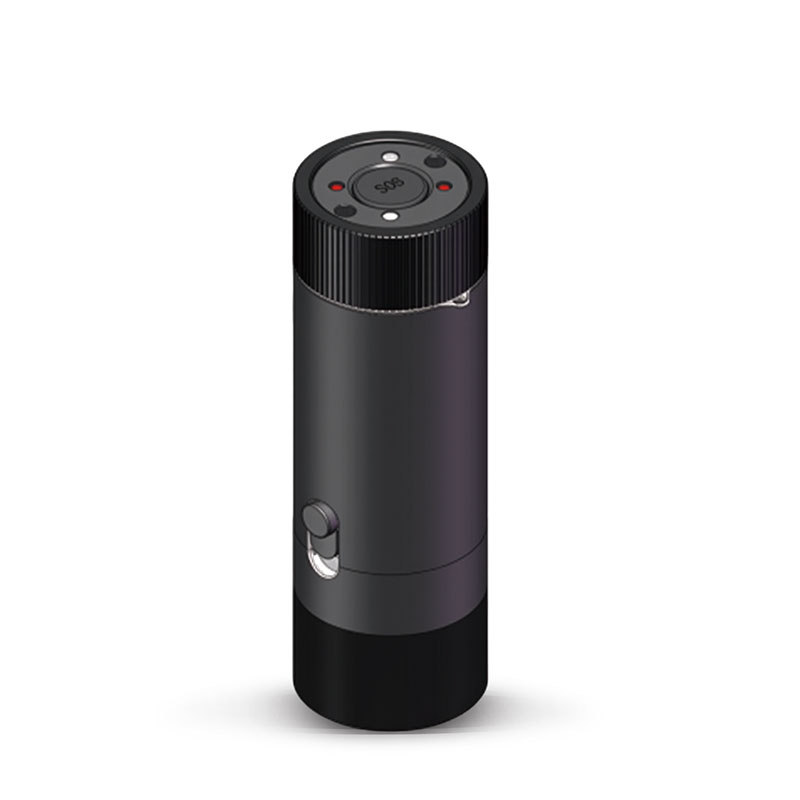 103 Tracking and Locating
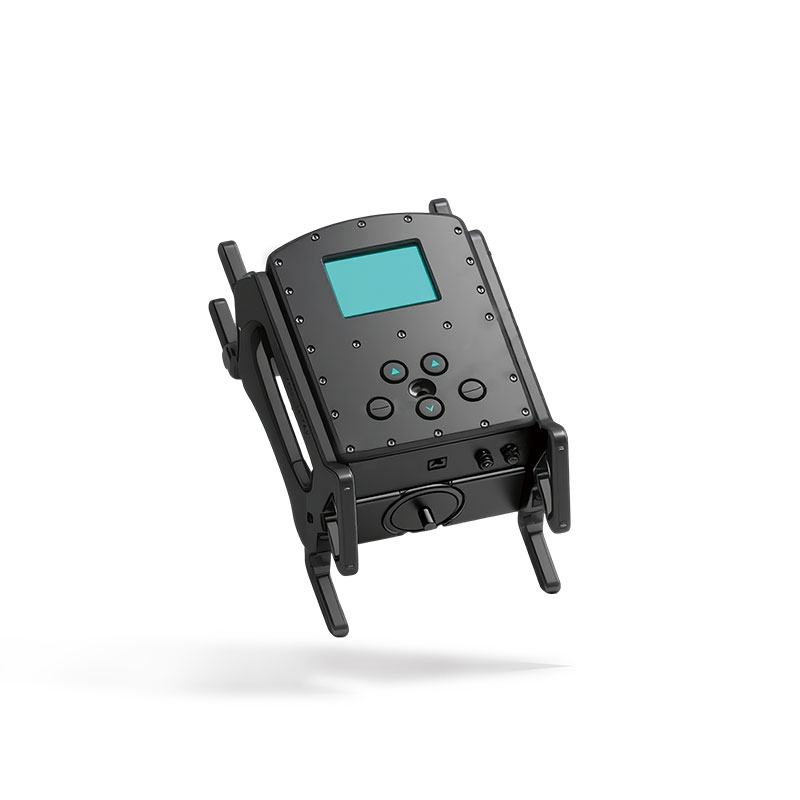 104 Diver Navigation System
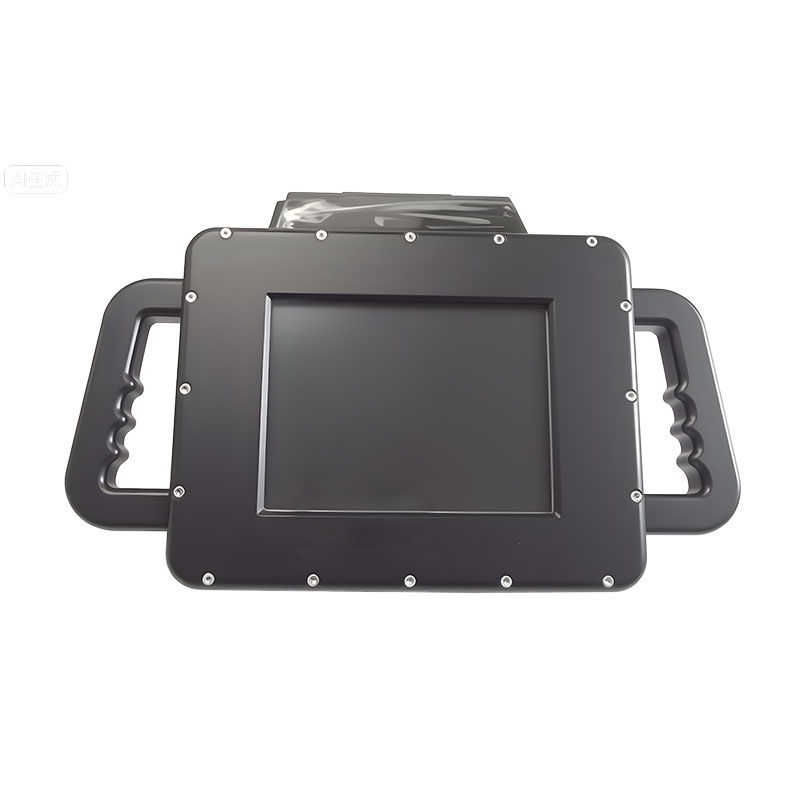 105 Intrusion Detection Sonar
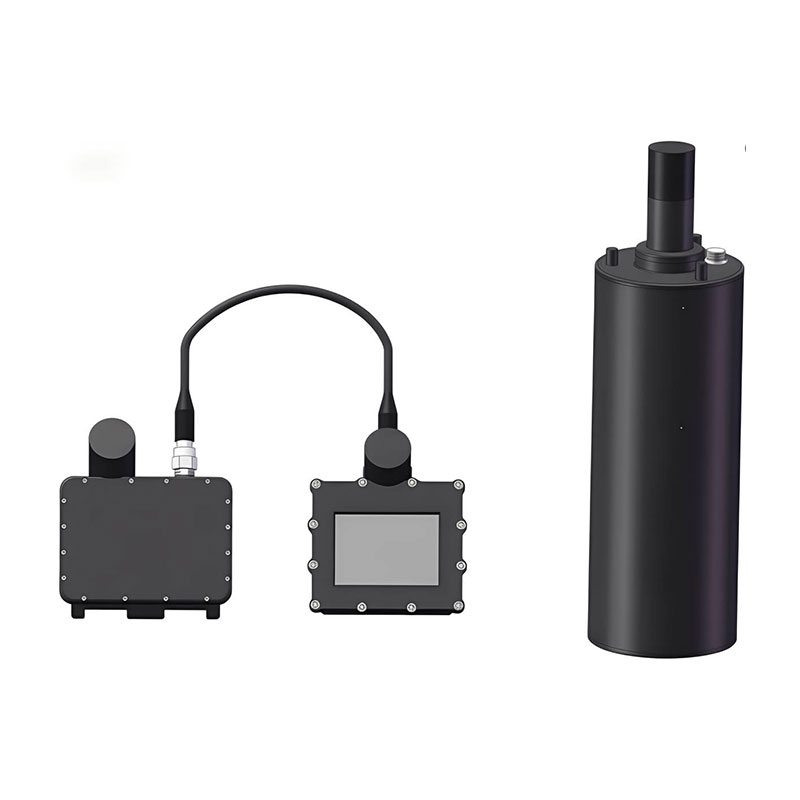 106 Delivery Locator Beacon
 SLLR3000
 SLLR905
 SLLD25
 108IMU
 150M
150M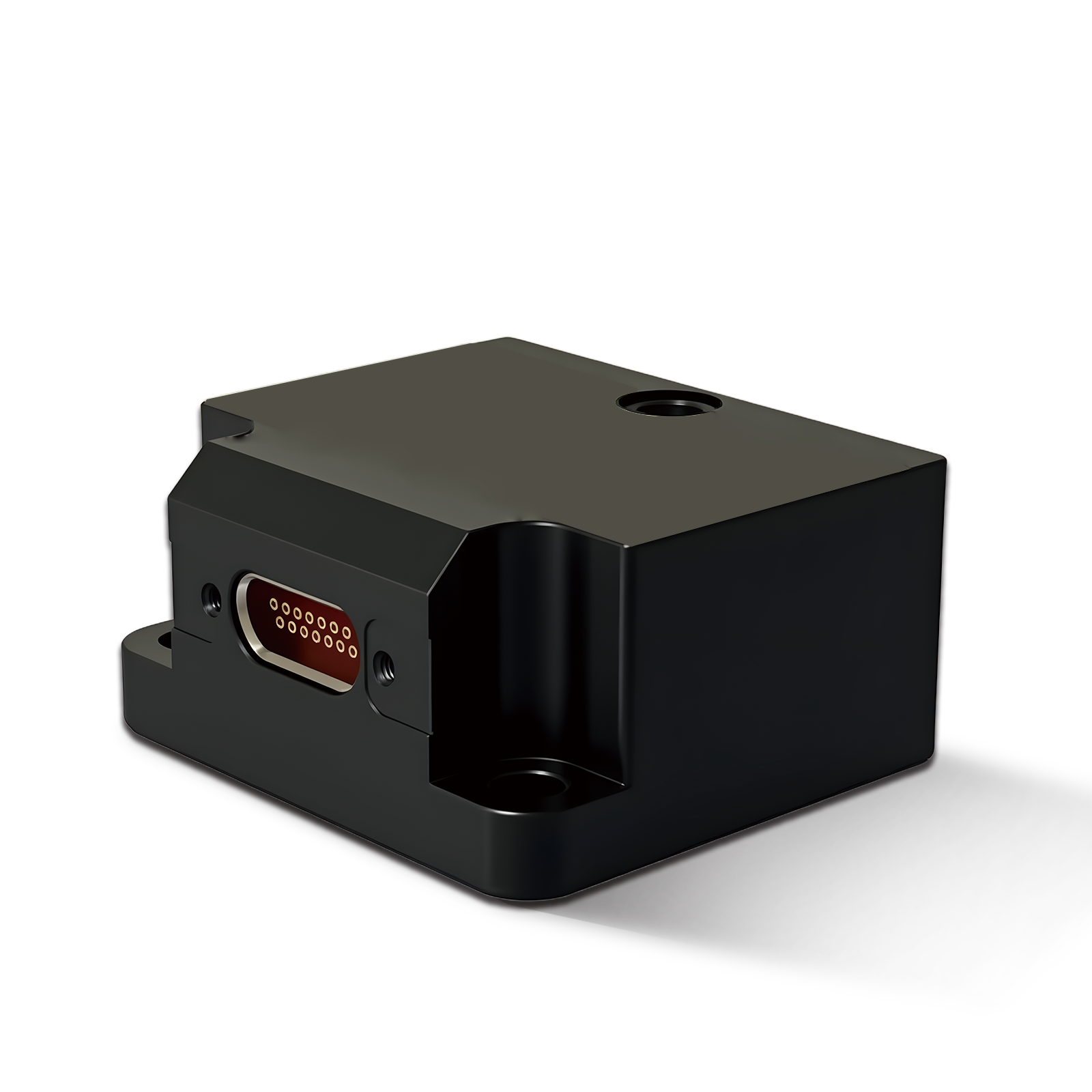 500MH
500MH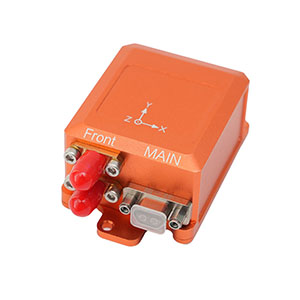 160M
160M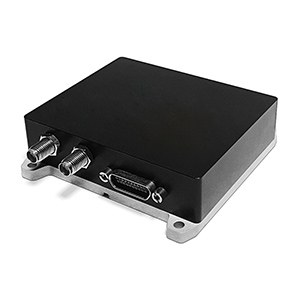 170M
170M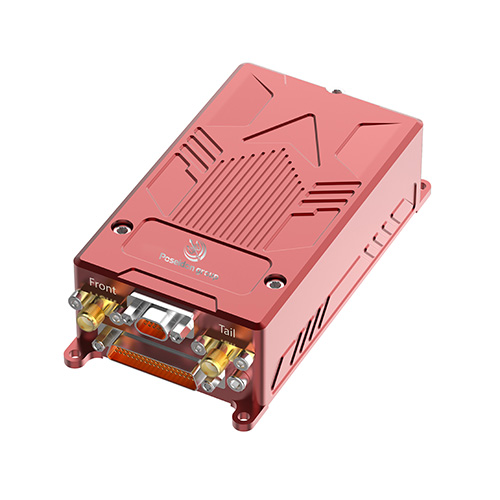 SLFC-70
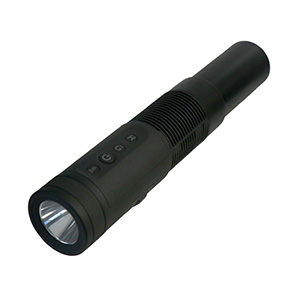 SLAF280
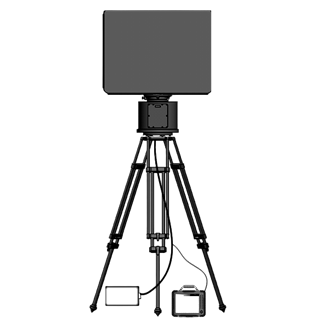 MR360
MR360





Terminal guidance ~ Anti-interference antenna + INS + optoelectronic pod final solution
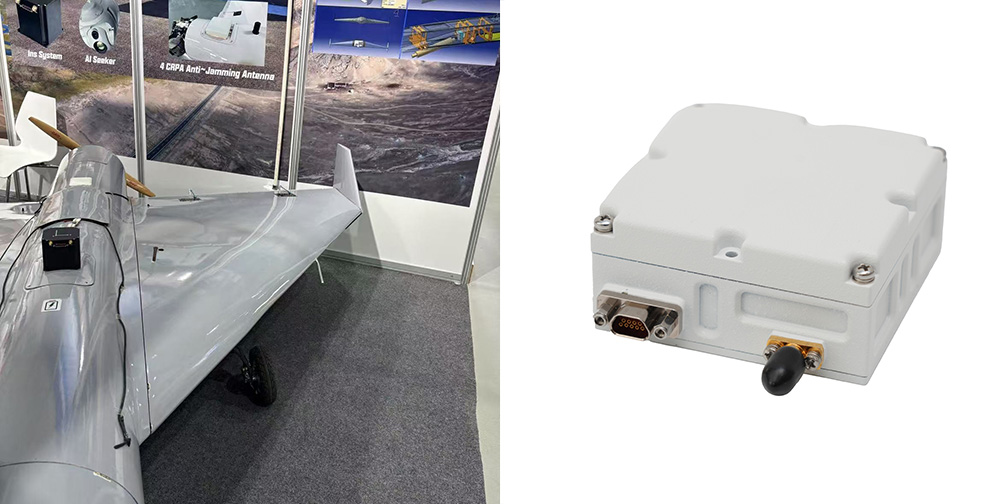
Anti-interference antenna
It is an antenna specially designed to resist and mitigate the effects of interference signals. These interference signals are intentional interference designed to interfere with the function of your communications or navigation system.
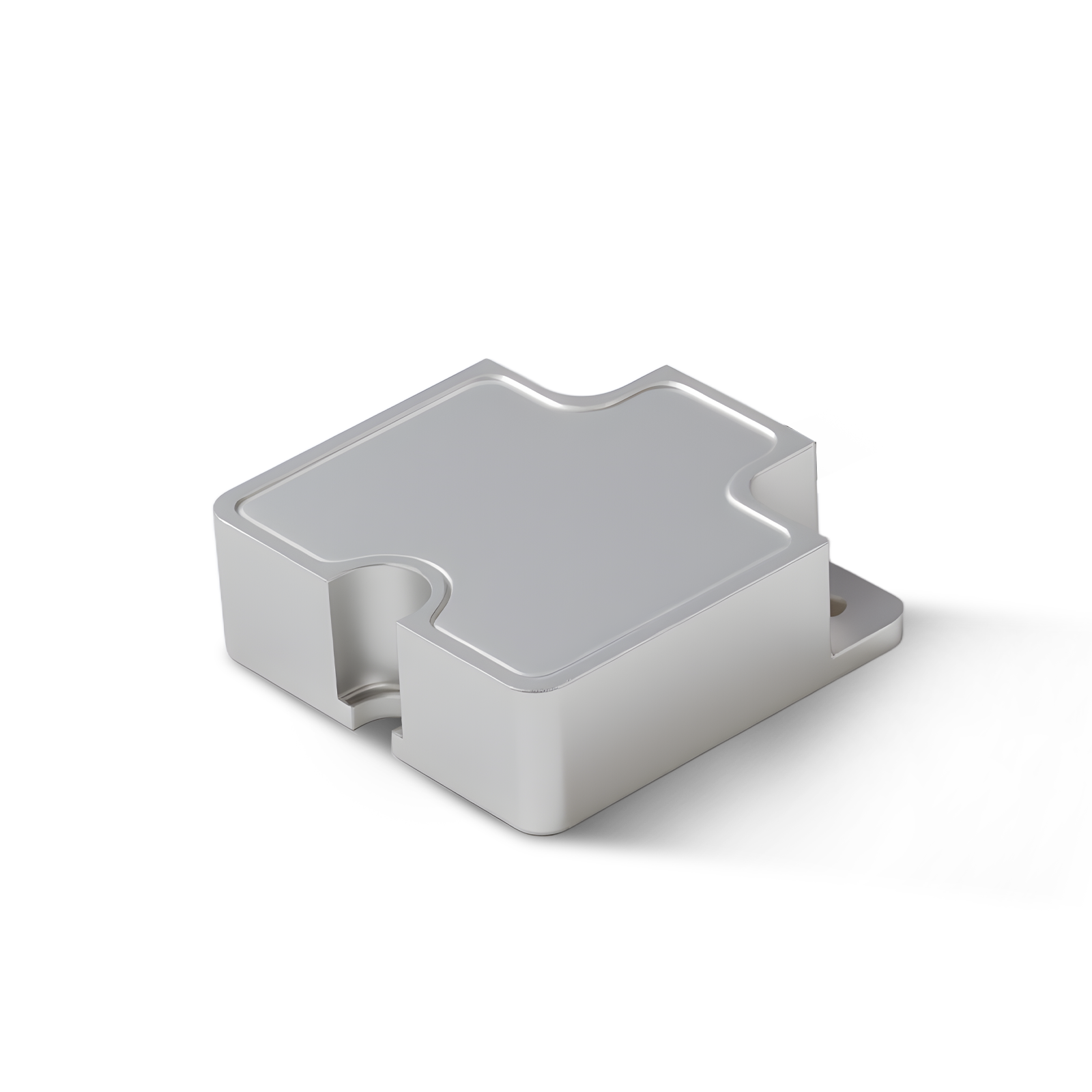
This is a super small and extremely light anti-interference integrated 4-channel array antenna and high performance receiver, the size is only 65*65*30mm, weight 160g, can meet the technical requirements of various small carrier applications.
In an extremely compact size, the antenna array elements, RF channels, anti-jamming processing, and GNSS receiver are integrated to meet high-reliability and low-cost application requirements. The product is primarily used for real-time output of spatial position information, timing, and velocity data of the platform, and it has the capability to resist various types of jamming, including but not limited to single-carrier, sweep frequency, pulse, broadband modulation, sawtooth wave, triangular wave, and any combination thereof.
This product allows your sports carrier to travel through an area with less than three sources of interference at a certain speed.
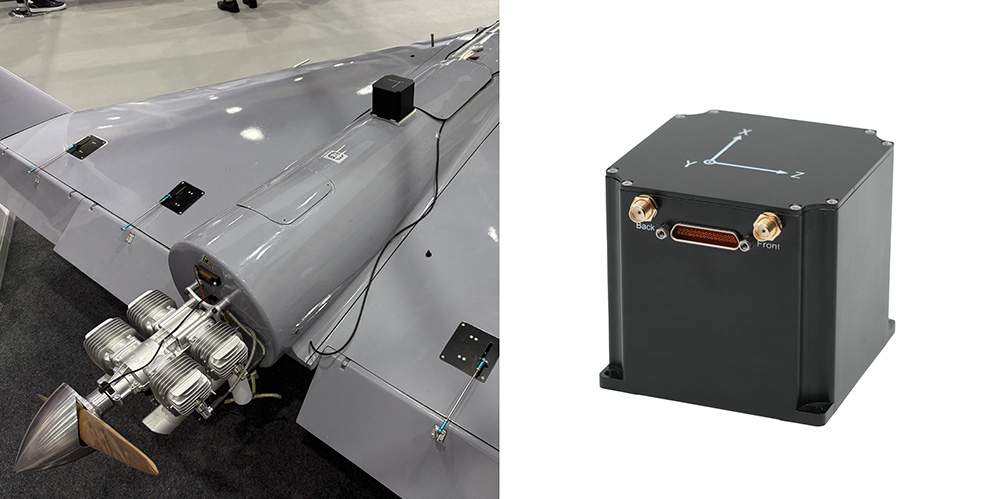
Fiber optic inertial guidance
Fiber-optic inertial navigation is a high-precision inertial integrated navigation system based on fiber optic gyroscopes and accelerometers. This product combines inertial sensors with satellite navigation systems to achieve complementary advantages of inertial and satellite navigation. It can provide users with real-time information on heading, attitude, speed, position, angular rate, and acceleration, thus offering more reliable and precise navigation and positioning capabilities.
The product is equipped with a four-system multi-frequency satellite navigation receiver, which can work in one system or multiple systems for joint positioning. It supports the external connection of Qianxun and other ground-based enhancement systems to provide real-time dynamic centimeter-level positioning accuracy. The product can be connected with various sensors for auxiliary positioning.
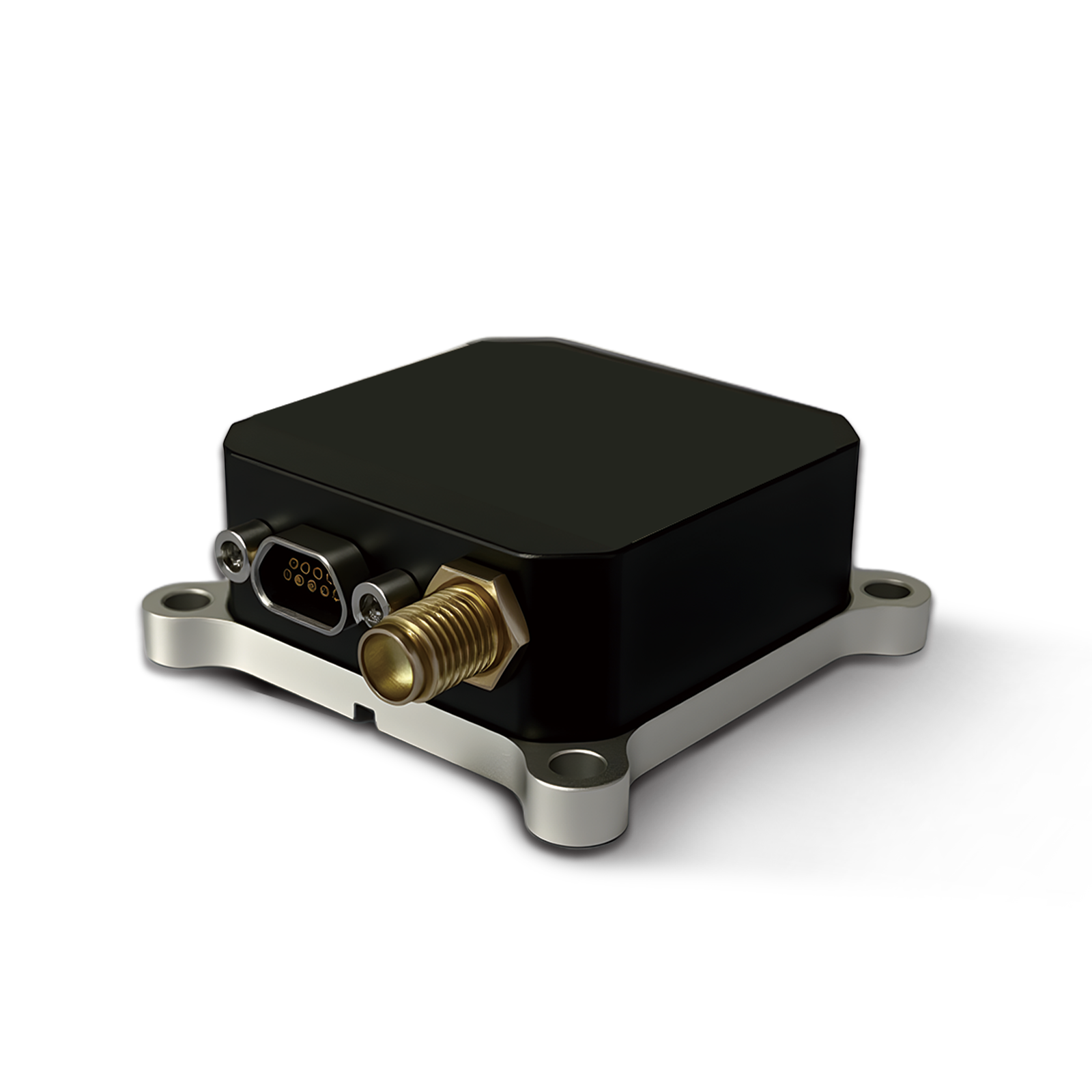
This is a self-developed fiber optic inertial navigation system that is extremely compact (80*80*74 mm) and incredibly lightweight (<600g), making it highly competitive in the market. It features a self-orientation capability, making it particularly suitable for aircraft use. Without relying on GNSS, it can navigate through areas without GNSS coverage, spanning tens of kilometers to reach the final terminal guidance area, thus planning the correct path for the terminal guidance electro-optical pod system.
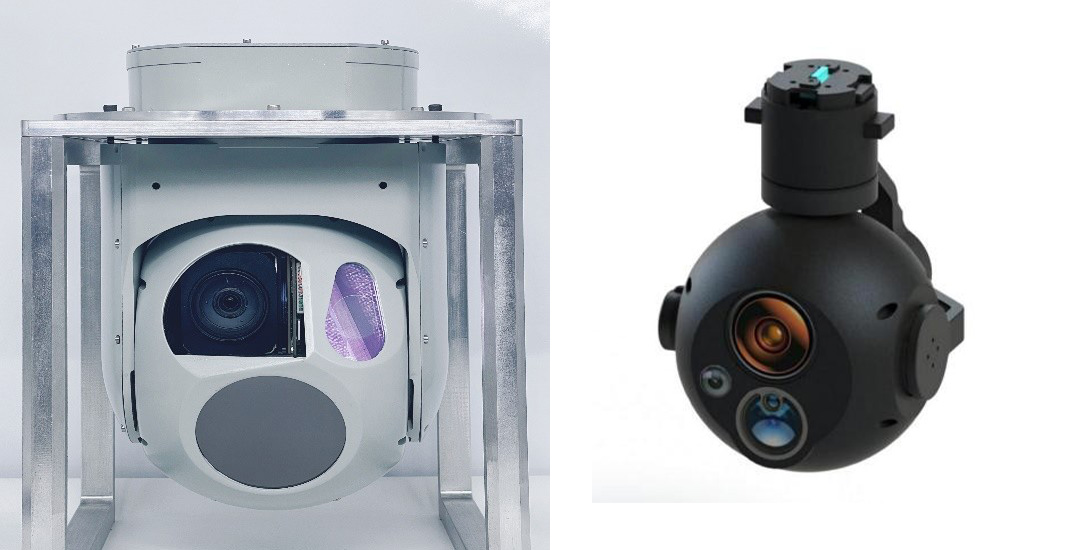
Photo hangar
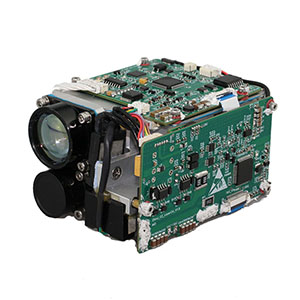
Optical pod is a multi-sensor equipment integrating optical, infrared and laser technologies, mainly used for reconnaissance, surveillance, target positioning and fire guidance. According to the function, it can be divided into detection pod, reconnaissance and attack pod and guidance pod.
The core functions of the optical pod include:
Surveillance and monitoring, obtain target images through visible light and infrared imaging, identify vehicles, personnel and other targets, and continue to track.
Laser ranging and positioning: accurate measurement of target distance, combined with inertial navigation system to provide high precision coordinates.
Fire guidance: Provide laser illumination or target data for missiles, drones and other weapons to improve the accuracy of strikes.
It also supports zoom, auto-focus and image enhancement to adapt to day and night operations. It has a stable gimbal to ensure clear imaging. It can be mounted on platforms such as drones (fixed-wing, rotary-wing, composite wing), unmanned vehicles, unmanned ships and patrol missiles, suitable for border defense, battlefield reconnaissance and precision strike missions.
With its high precision, strong adaptability and multi-mode combat capability, the photoelectric pod has become a key equipment for modern unmanned combat.